

Skill-based casino games are redefining modern gambling. Unlike traditional slots or roulette, these titles reward decision-making and strategy as much as luck. The trend reflects a broader shift in player behaviour: millennials and Gen Z gamblers seek interactive, skill-oriented gameplay rather than pure chance. The global skill-based gaming market surpassed €5.4 billion in 2024, with steady growth projected as technology and regulation evolve.
Shift Toward Interactive Gambling
At NeoSpin Casino and other licensed European sites, operators are adapting to new demand by offering hybrid games that mix classic mechanics with video game-style challenges. Traditional gambling relied on random number generators (RNGs), but new formats introduce human input—reaction speed, pattern recognition or tactical decisions—that can influence outcomes.
This transformation began in land-based casinos in 2016, when Nevada and New Jersey approved skill-based slot machines to attract younger visitors. Now, online casinos lead the evolution, offering competitive leaderboards, tournament features and adaptive difficulty levels. The rise of smartphone gaming and esports integration further fuels the crossover between gambling and interactive entertainment.
How Skill-Based Games Differ from Traditional Ones
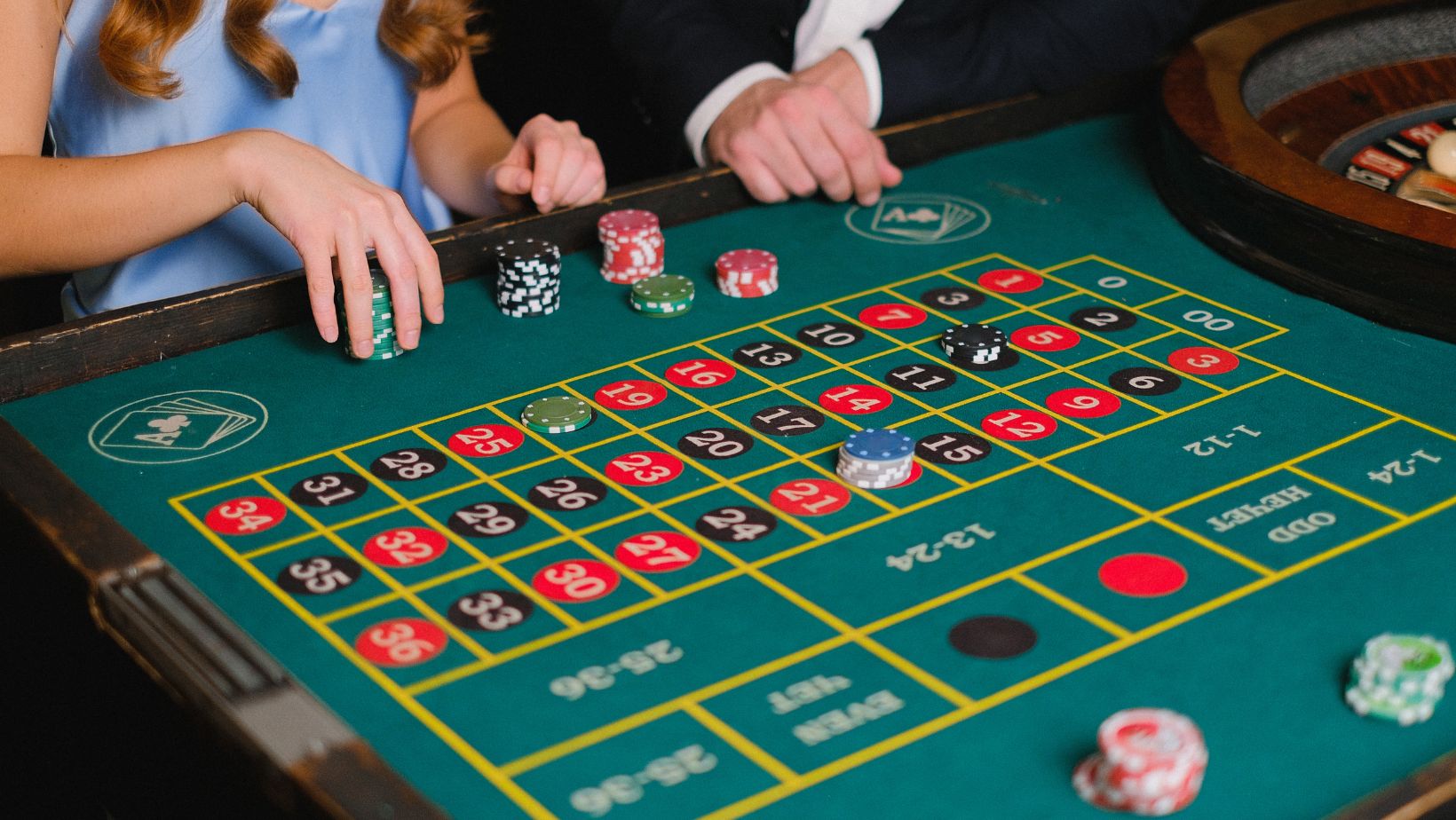
Conventional slots and table games depend entirely on chance. Every spin or card draw is governed by RNG software that ensures fairness but removes player influence. Skill-based games, by contrast, include interactive elements that adjust based on user performance.
| Feature | Traditional Casino Games | Skill-Based Games |
| Core Mechanic | RNG-driven randomness | Player input affects outcome |
| Example Titles | Roulette, Classic Slots | Space Invaders RNG, Danger Arena |
| Payout Structure | Fixed odds | Dynamic, based on skill level |
| Average Return to Player (RTP) | 94–97% | 95–99%, varies by performance |
| Target Audience | General casino players | Gamers, strategy-minded users |
Developers design these games to merge gambling incentives with competitive satisfaction. Success relies not only on luck but on reflexes, timing and cognitive skill.
Popular Skill-Based Casino Games
Skill-based gaming covers a wide range of categories. Some resemble traditional casino titles with added interactive layers, while others borrow entirely from arcade or mobile formats.
Arcade-Style Slot Hybrids
Games like Space Invaders RNG by Scientific Games and Centipede by IGT include bonus rounds where players control digital cannons or characters to shoot targets for higher rewards. The better the player performs, the larger the multiplier applied to winnings.
Strategy-Infused Table Games
Some developers reimagine blackjack and poker to reward decision-making accuracy. For example, Blackjack Xchange lets players swap cards mid-hand to optimise value, blending skill and probability management.
Competitive eCasino Titles
Online platforms now offer real-time tournaments where players compete head-to-head, similar to esports. Wagering can be structured around point-based scoring systems rather than random draws. In 2024, Skillz and GameCo hosted over €500,000 in prize pools through licensed online events.
Why Younger Players Prefer Skill-Based Games
The appeal of skill-based gambling lies in its interactivity and sense of control. Research from the European Gaming and Betting Association (EGBA) in 2024 found that 68% of players aged 21–35 prefer games involving personal skill or competition.
Younger audiences grew up on mobile and console gaming, where achievements depend on performance. Translating that sense of agency into casino environments makes gambling more engaging and less mechanical. Social and streaming elements—such as shared leaderboards or Twitch integration—further enhance appeal.
Unlike passive slot spins, skill-based formats reward practice and familiarity, aligning casino play with broader gaming culture.
Regulatory Perspectives and Compliance
Skill-based gaming operates in a grey area between gambling and entertainment. Regulators differentiate these products based on how much skill influences the outcome.
In Europe, the Malta Gaming Authority (MGA) and the UK Gambling Commission recognise skill-based games as gambling products when they include monetary stakes. As of 2025, developers must still obtain RNG certification for randomised components, even when skill input exists.
In the United States, states like Nevada, New Jersey and Pennsylvania allow hybrid games under modified casino regulations. These jurisdictions require transparency about how performance affects payouts—a key factor in player protection laws.
The challenge lies in maintaining fairness while allowing real skill advantages. Overly complex mechanics risk alienating casual users or breaching responsible gaming thresholds.
Role of Technology in Skill Integration
The expansion of skill-based games coincides with rapid technological progress. HTML5, real-time analytics and adaptive difficulty systems enable seamless performance tracking across platforms.
Machine Learning and Dynamic RTP
Some modern titles use machine learning to adjust difficulty according to player behaviour. If a player performs poorly, the game might subtly increase bonus frequency to maintain engagement. Conversely, expert players may face harder challenges but gain access to higher multipliers.
This adaptive design keeps sessions balanced and fair while extending player retention. The result is an ecosystem where both novice and experienced users find value in continued play.
Blockchain and Transparent Competition
Blockchain integration offers verifiable fairness for competitive gaming. Provably fair algorithms record every action and outcome, allowing participants to audit results independently. Several European casinos already use blockchain-based leaderboards to distribute prizes securely in cryptocurrency form, often through Ethereum smart contracts.
Balancing Skill and Chance
Although skill plays a significant role, chance remains essential to maintain unpredictability and compliance with gambling definitions. Developers aim for a delicate balance: skill influences reward magnitude, but RNG still determines win occurrence.
For example, a shooter-style slot may trigger a bonus game randomly, yet the player’s aim within that round defines final payout size. This ensures fairness while preserving the excitement of influence.
Balancing these mechanics prevents “grind fatigue”—a problem common in video games—and keeps gambling entertainment distinct from pure gaming.