
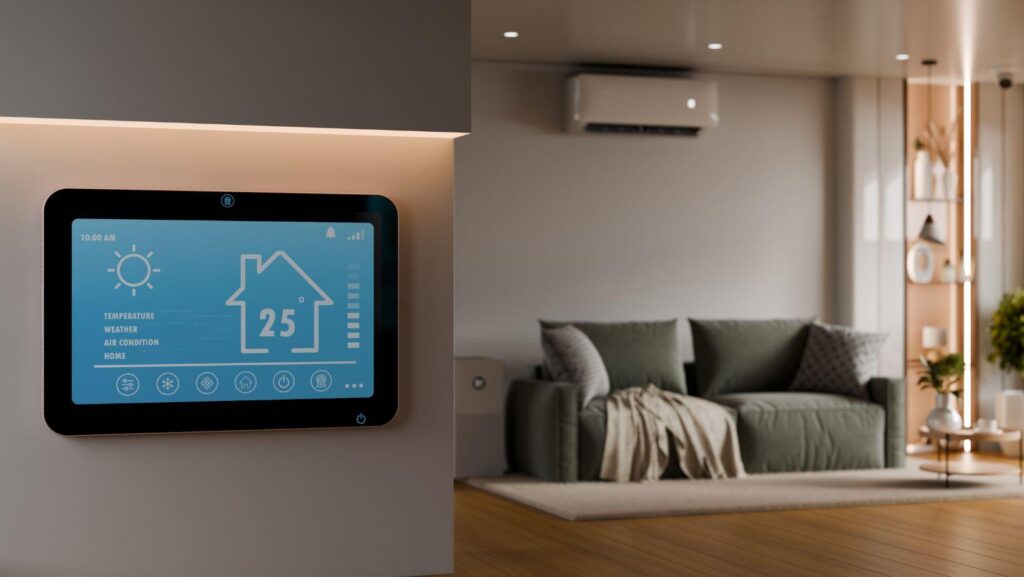
The smart home revolution has methodically optimized almost every aspect of our living spaces. We have automated lighting schedules, voice-controlled security systems, and AI-driven climate thermostats designed to manage ambient room temperatures. Yet, despite these macro-level advancements, personal climate control—the micro-environment directly surrounding the individual—has remained surprisingly analog for years. Standard HVAC systems heat entire rooms inefficiently, wasting kilowatt-hours on empty space while leaving individuals toggling between extra layers or suboptimal room settings.
True home automation efficiency relies on localized thermal management. Rather than conditioning an entire 500-square-foot living space, modern personal warming technology delivers precise thermal transfer directly to the user. This shift isn’t just about comfort; it is a fundamental re-engineering of residential energy consumption and individual preference management. Advanced home hardware has evolved beyond primitive heating coils, integrating microcontrollers, multi-zone heating matrices, and safety protocol suites that align with modern IoT ecosystems.
Engineering Modern Thermal Textiles
Early personal warming appliances relied on thick, high-resistance wire grids wrapped in heavy fabric. These legacy systems lacked precision, suffered from hot spots, and presented durability concerns over repeated flex cycles. Modern thermal textiles, by contrast, utilize ultra-thin, low-voltage wiring circuits or woven carbon-fiber filaments that distribute thermal energy evenly across a surface area with minimal physical bulk.
When evaluating modern personal heating hardware, finding a balance between low electromagnetic field (EMF) output, fast heat-up response times, and durable construction is essential. For hardware enthusiasts looking to upgrade their home setups, sourcing verified hardware from a reliable supplier offering an electric blanket for sale ensures access to devices built with updated safety standards like automatic shut-off timers and detachable digital controllers for maintenance.
Integrating Micro-Climate Tech into the Modern Smart Home
For tech enthusiasts, standalone appliances that operate in isolation are a thing of the past. The real value of modern warming appliances emerges when they interface with broader smart home platforms and routine automation scripts. While basic models rely on inline physical controllers, advanced units feature Wi-Fi and Bluetooth Low Energy (BLE) modules capable of integrating into platforms like Home Assistant, Apple HomeKit, or Google Home via Matter protocols.
Automated Sleep Phase Pre-Heating Human core body temperature drops naturally during non-REM sleep phases. By pairing smart warming textiles with sleep-tracking wearables (such as an Oura Ring or Apple Watch), automation engines can dynamically scale back heat output as deep sleep cycles are detected, preventing overheating and improving overall sleep architecture.
Localized Off-Peak Energy Optimization Centralized heat is one of the highest energy draws in modern households. By using smart plugs or native API integrations, users can schedule personal thermal devices to run exclusively during off-peak utility pricing windows or sync them with dynamic solar inverter outputs during cold, bright days.
Geofenced Climate Triggers Using home automation platforms, personal warming gear can be triggered via geofencing routines. As your smartphone enters a designated radius around your residence during winter months, a pre-heat routine activates the system, ensuring an optimal thermal setpoint the moment you sit down—without wasting power heating an empty house all day.
Safety Protocols and Maintenance Architecture
Integrating electrical currents into soft, flexible fabrics presents unique engineering challenges. Modern safety standards require multiple redundant protection layers to ensure user safety and device longevity.
Optimizing the Personal Thermal Ecosystem
Personal climate control is no longer a matter of basic resistive heating; it is a sophisticated, data-informed component of modern home automation. By targeting warmth directly to the user rather than over-conditioning vast residential spaces, modern thermal textiles deliver precise, customizable comfort while drastically reducing household energy footprints. As smart home standards continue to unify, integrating personal micro-climate devices into larger automation pipelines represents the logical next step for any efficient, tech-driven living space.